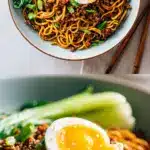
My first attempt at chili crisp noodles ended as a clumpy, greasy bowl of disappointment that tasted of nothing but raw heat. A spoonful of chili crisp dumped on drained noodles sounds simple, but without balance, it falls flat.
The real frustration is a gummy, sticky noodle clump where the sauce slides right off the wheat strands and pools at the bottom. This recipe fixes that with a glossy emulsion that actually sticks to every noodle.
I’ll walk you through the sauce science, the noodle timing, and how to pair flavors with whatever chili crisp you have in your pantry.
Table of Contents
The Anatomy of a Perfect Chili Crisp Noodles Recipe
To build a bowl of Sichuan chili crisp noodles that tastes like it came from a noodle shop, you need to understand the components. This is about building a sauce that clings to the noodles and balances the chili heat with acidity, salt, and umami. A proper chili crisp noodles recipe depends on how fat, liquid, and starch work together.
When you look at a jar of Lao Gan Ma or Fly By Jing Sichuan Chili Crisp, you see oil, chili flakes, seeds, and fermented soybeans. The oil is slick on the tongue, while the solids add crunch and concentrated spice.
If you put this directly on hot noodles, the oil separates from the water on the noodles and leaves a greasy pool at the bottom of your bowl.
You need an emulsifier. The starch from your cooking water helps, but a rich ingredient like Chinese sesame paste, tahini, or a small dab of peanut butter creates a stable suspension. This binds the chili oil to the soy sauce and vinegar for a glossy, clingy sauce.
The noodles themselves matter immensely. You want a noodle with substantial bite and a slightly chewy surface to grab the sauce. Dao Xiao Mian, or knife-cut noodles, are traditional for this preparation because their uneven, rustic edges hold onto the chili oil and chopped garlic beautifully.
Fresh wheat noodles are excellent because they cook rapidly and absorb flavor quickly. Dried noodles work if you cook them until just shy of done and let them finish in the sauce.
The last component is acidity. Chinese black vinegar or rice vinegar cuts through the richness of the sesame oil and peanut butter so the dish doesn’t get heavy. If you are interested in exploring other robust Asian noodle dishes, you might enjoy our laksa noodle soup recipe, which uses a similar approach to layering fats and liquids.
But here, the vinegar lifts the chili heat so it dances on your palate instead of overwhelming you. The garlic adds a sharp, pungent bite that mellows slightly when exposed to the hot noodles.
Ground pork adds a savory base and renders its own fat into the mix. But the pork is optional. You can build a fully satisfying vegetarian bowl with just the soy sauce and toasted sesame oil for depth.
Print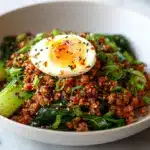
Chili Crisp Noodles That Hit Every Texture and Flavor Note
- Total Time: 20 min
- Yield: 4 servings 1x
Description
This chili crisp noodles recipe combines chewy wheat noodles with a glossy, emulsified sauce of chili crisp, soy sauce, black vinegar, and sesame paste. Ready in 20 minutes, it delivers a balanced mix of heat, acidity, and rich umami.
Ingredients
For the sauce:
3 tbsp chili crisp (Lao Gan Ma or Fly By Jing)
2 tbsp soy sauce
1 tbsp Chinese black vinegar
1 tbsp toasted sesame oil
1 tbsp Chinese sesame paste, tahini, or natural peanut butter
1 tsp grated fresh ginger
1 tsp sugar
1 clove garlic (minced)
2 tbsp warm noodle cooking water
For the noodles and mix-ins:
12 oz fresh wheat noodles or dried Chinese noodles
2 baby bok choy (halved)
4 oz ground pork (optional)
For garnish:
2 scallions (sliced)
1 tsp toasted sesame seeds
1 soft-boiled egg (optional)
Instructions
1. Bring a large pot of water to a rolling boil. Add the fresh wheat noodles and stir immediately to separate the strands. Cook for 1 to 2 minutes until firm but yielding.
2. Scoop out 1/4 cup of the starchy cooking water and set it aside. Add the halved baby bok choy to the pot for the last 30 seconds of cooking until the greens wilt slightly but retain their crunch.
3. While the noodles cook, combine the chili crisp, soy sauce, black vinegar, toasted sesame oil, sesame paste, grated ginger, sugar, and minced garlic in a large mixing bowl. Mix until a thick, glossy paste forms.
4. If using ground pork, brown it in a skillet over medium-high heat until crispy and cooked through. Add the rendered pork and its fat to the sauce bowl and stir to combine.
5. Drain the noodles and bok choy. Immediately transfer the hot noodles to the sauce bowl. Pour 2 tablespoons of the reserved starchy cooking water over the noodles.
6. Toss vigorously with tongs or chopsticks for 30 seconds. The heat and starchy water will emulsify the sesame paste and chili oil into a smooth, clingy sauce that coats every noodle.
7. Divide the noodles between serving bowls. Top with the sliced scallions, toasted sesame seeds, and a soft-boiled egg if desired. Serve immediately while hot.
Notes
Store any leftover noodles and sauce separately in the refrigerator for up to 2 days. Reheat the noodles in a skillet with a splash of water to loosen the sauce.
For a vegan version, omit the ground pork and the soft-boiled egg. Ensure your soy sauce is vegan and use tahini instead of Chinese sesame paste.
If your chili crisp is particularly spicy, scale back to 2 tablespoons and add an extra teaspoon of sugar to balance the heat.
- Prep Time: 10 min
- Cook Time: 10 min
- Category: Main Course
- Method: Stovetop
- Cuisine: Asian
Nutrition
- Serving Size: 1 cup
- Calories: 380 kcal
- Sugar: 4 g
- Sodium: 680 mg
- Fat: 18 g
- Saturated Fat: 4 g
- Unsaturated Fat: 14 g
- Trans Fat: 0 g
- Carbohydrates: 45 g
- Fiber: 3 g
- Protein: 14 g
- Cholesterol: 45 mg
Choosing Your Noodles and Chili Crisp
Your chili crisp noodles come down to two ingredients: the noodles and the crisp. The combination you pick determines the texture and flavor.
Noodle Selection
For the best chili crisp sesame noodles, you need a noodle that stands up to heavy tossing and intense sauce. Fresh wheat noodles are ideal because their slightly porous surface grabs onto the oil and paste.
Look for noodles labeled as Shanghai style or fresh alkaline noodles. If you cannot find fresh noodles, dried Chinese wheat noodles or even high-quality instant ramen noodles work well. Avoid rice noodles, as their slippery, gelatinous surface causes the oil to slide right off.
Dao Xiao Mian has a rustic, chewy texture that makes a simple bowl of chili oil noodles feel like a feast. The uneven width of the strands creates varied textures in your mouth. Thick edges keep a pleasant bite while thinner edges soften.
If you are working with dried noodles, undercook them by one minute. The residual heat and the hot sauce will finish cooking them so they don’t get gummy and mushy. For a heartier meal with wheat noodles, our hokkien noodles recipe has more on working with thick, chewy strands.
Selecting Your Chili Crisp
Not all chili crisp is created equal. The most famous brand, Lao Gan Ma, has a distinct texture with its crunchy fried garlic and fermented black soybeans. It has a deep, savory, and earthy heat. Fly By Jing Sichuan Chili Crisp is brighter, with more complex layers of flavor like mushroom, citrus, and spices.
If you want to customize your heat level and crunch factor further, making your own easy chili oil recipe allows you to control the exact amount of fried garlic and chili flakes.
For this recipe, use three tablespoons of chili crisp as a baseline. If you are using a particularly hot brand, you might scale back to two tablespoons and add an extra dash of sesame oil to balance the burn.
Look for a chili crisp where the oil is a deep red color, which means a high concentration of capsaicin and rich flavor. The solids should make up at least forty percent of the jar, so you get plenty of crunchy bits to toss with your noodles and bok choy.
Building the Sauce: Balancing Heat, Acid, and Fat
The sauce matters most. A successful chili crisp noodles recipe requires a liquid component to season the wheat strands, a fat component to carry the aromatics, and an emulsifier to bind them together.
The Liquid and Acid
Start with two tablespoons of soy sauce for salt and umami. Dark soy sauce adds color, while light soy sauce adds pure saltiness. For acidity, Chinese black vinegar is the traditional choice. It has a malty, slightly sweet depth that rice vinegar lacks. Use one tablespoon of black vinegar.
If you do not have it, rice vinegar works, but add a tiny pinch of sugar to mimic the malty sweetness. Add half a teaspoon of grated fresh ginger. The ginger’s bright, pungent aroma cuts through the heavy oil and wakes up the palate.
The Emulsifier and Fat
One tablespoon of toasted sesame oil gives a nutty, aromatic base. To prevent the oil from separating, add one tablespoon of Chinese sesame paste, tahini, or natural peanut butter. This is the secret to a glossy, clinging sauce.
The paste acts as an emulsifier. It binds the chili oil to the soy sauce and vinegar. It also coats the noodles to prevent them from sticking together into a gummy clump.
If you are using ground pork, brown it in a wok first. The rendered pork fat adds serious savory depth to the sauce. Once the pork is crispy and browned, mix the soy sauce, vinegar, sesame oil, and sesame paste directly into the pork for a rich, meaty base.
| Feature | Stovetop Pork Version | Vegetarian Sesame Version | Cold Tossed Variant |
|---|---|---|---|
| Time | 20 min | 15 min | 15 min |
| Texture | Rich, meaty, oily | Nutty, slick, chewy | Chewy, bright, crisp |
| Effort | Medium (browning pork) | Low (mix and toss) | Low (mix and chill) |
| Dietary Fit | Omnivore | Vegetarian, Vegan | Vegan (gluten free with rice noodles and tamari) |
If you want protein without pork, our garlic butter shrimp is an excellent topping for these noodles. The shrimp adds a rich, briny sweetness that cuts through the chili heat. The garlic in the shrimp echoes the chopped garlic in the sauce, so the flavors tie together.
Ingredients
Prep Time: 10 minutes | Cook Time: 10 minutes | Total Time: 20 minutes | Yield: 4 servings
For the sauce:
- 3 tbsp chili crisp (Lao Gan Ma or Fly By Jing)
- 2 tbsp soy sauce
- 1 tbsp Chinese black vinegar
- 1 tbsp toasted sesame oil
- 1 tbsp Chinese sesame paste, tahini, or natural peanut butter
- 1 tsp grated fresh ginger
- 1 tsp sugar
- 1 clove garlic (minced)
- 2 tbsp warm noodle cooking water
For the noodles and mix-ins:
- 12 oz fresh wheat noodles or dried Chinese noodles
- 2 baby bok choy (halved)
- 4 oz ground pork (optional)
For garnish:
- 2 scallions (sliced)
- 1 tsp toasted sesame seeds
- 1 soft-boiled egg (optional)
How to Make Chili Crisp Noodles
- Bring a large pot of water to a rolling boil. Add the fresh wheat noodles and stir immediately to separate the strands. Cook for 1 to 2 minutes until firm but yielding.
- Scoop out 1/4 cup of the starchy cooking water and set it aside. Add the halved baby bok choy to the pot for the last 30 seconds of cooking until the greens wilt slightly but retain their crunch.
- While the noodles cook, combine the chili crisp, soy sauce, black vinegar, toasted sesame oil, sesame paste, grated ginger, sugar, and minced garlic in a large mixing bowl. Mix until a thick, glossy paste forms.
- If using ground pork, brown it in a skillet over medium-high heat until crispy and cooked through. Add the rendered pork and its fat to the sauce bowl and stir to combine.
- Drain the noodles and bok choy. Immediately transfer the hot noodles to the sauce bowl. Pour 2 tablespoons of the reserved starchy cooking water over the noodles.
- Toss vigorously with tongs or chopsticks for 30 seconds. The heat and starchy water will emulsify the sesame paste and chili oil into a smooth, clingy sauce that coats every noodle.
- Divide the noodles between serving bowls. Top with the sliced scallions, toasted sesame seeds, and a soft-boiled egg if desired. Serve immediately while hot.
The Noodle Cooking Timeline for Optimal Texture
Noodle timing matters. This recipe fails when the noodles overcook and turn into a sticky, mushy mass. You want a springy, firm bite.
Bring a large pot of water to a rolling boil. Use plenty of water to dilute the starch, which prevents the noodles from sticking. Add your fresh wheat noodles or Dao Xiao Mian.
Stir immediately to separate the strands. Fresh noodles cook in one to two minutes. Dried noodles take three to four minutes. Watch them closely. You want to pull them out when they are firm but yielding.
Before you drain the noodles, scoop out a quarter cup of the starchy cooking water. Save this. You need it. The starch in the water helps the sauce bind to the noodles. Add the hot noodles directly to your bowl of sauce. Pour in a splash of the cooking water.
The heat from the water and noodles activates the chili crisp. It releases volatile aromatics from the chili flakes and sesame oil. Toss vigorously with chopsticks or tongs. The starchy water emulsifies the peanut butter and sesame oil into a smooth, glossy coating that clings to every noodle.
If you are adding bok choy, throw it into the boiling water during the last thirty seconds of cooking the noodles. The tender greens wilt slightly but keep their crunch, a fresh contrast to the rich noodles.
Once the sauce is completely absorbed and the noodles are coated in a glossy, slick layer of spicy chili oil, serve them immediately. If you want a comforting soup version, our wonton noodle soup recipe uses a similar blanching technique for tender greens.
Upgrades and Customizations
Once you master the basic recipe, you can customize it based on what is in your pantry. The base of chili crisp, soy sauce, vinegar, and sesame oil is a canvas.
Adding Protein
Ground pork is the classic choice. The fat renders out and mingles with the chili crisp for a rich, meaty sauce. For a leaner option, shredded chicken works well.
Our easy homemade chicken and noodles recipe walks you through poaching and shredding chicken. Alternatively, crispy tofu cubes add a wonderful textural contrast. Pan-fry the tofu until golden and crusty, then fold it into the spicy chili crisp noodles at the very end.
Vegetable Additions
Bok choy is traditional, but you can use shredded cabbage, bean sprouts, or sliced scallions. Add raw, thinly sliced cucumbers on top for a refreshing crunch that cools the palate. The cold cucumber against the hot, spicy noodles creates a dynamic mouthfeel.
Garnishes
A sprinkle of toasted sesame seeds adds nutty depth. A soft-boiled egg with a runny yolk creates a rich sauce when broken. If you love garlic, add an extra clove of finely minced raw garlic to the sauce bowl before adding the hot noodles.
The residual heat cooks the garlic just enough to mellow its bite. For a smoky protein addition, our crockpot bbq pork tenderloin with smoky sauce can be shredded and tossed with the noodles for a fusion twist.
What to Serve With Chili Crisp Noodles
While a large bowl of chili crisp noodles is a complete meal on its own, pairing it with complementary side dishes turns a quick lunch into a full dinner spread. The strong, spicy flavors of the noodles call for sides that cool things down or add different textures.
A simple plate of cold sliced tomatoes with a sprinkle of sugar is a classic Chinese restaurant side. The cold, sweet, and slightly acidic tomatoes cut the heat from the chili crisp instantly.
Smashed cucumber salad with garlic and vinegar is a crunchy, refreshing counterpoint to the soft, chewy noodles. You can also serve a light soup alongside the noodles. A simple chicken broth with scallions is soothing after the spicy oil.
If you want a more substantial spread, consider adding a protein-heavy side. Our garlic butter chicken bites are a savory, juicy side that pairs well with the assertive flavors of Lao Gan Ma noodles.
The garlic butter from the chicken complements the toasted sesame oil in the noodle sauce. For a seafood option, our garlic butter shrimp scampi is a rich, buttery contrast to the spicy chili.
For beverage pairings, a cold, unsweetened soy milk is the traditional accompaniment. The proteins in the milk bind to the capsaicin and wash away the burn. An iced jasmine tea also works well, with floral notes that complement the toasted sesame oil.
Avoid carbonated drinks. The bubbles spread the capsaicin around your mouth and amplify the heat. If you prefer a non-spicy finish, our peanut butter cookies recipe is a sweet, nutty dessert that echoes the peanut butter in your noodle sauce.
Frequently Asked Questions
What is Lao Gan Ma?
Lao Gan Ma is a famous Chinese brand of chili crisp sauces, founded by Tao Huabi in Guizhou province. It is known for its signature chili oil with fermented black beans and crunchy garlic pieces. It is a savory, crunchy, spicy topping used in many noodle dishes.
What to add to chili crisp noodles?
You can add ground pork, shredded chicken, or crispy tofu for protein. Bok choy, bean sprouts, and scallions add freshness. A soft-boiled egg, toasted sesame seeds, and extra raw garlic make excellent garnishes. A dollop of peanut butter or Chinese sesame paste helps bind the sauce together.
Can I eat chili crisp in my noodles?
Yes, chili crisp is designed as a condiment for noodles. It adds crunch, heat, and deep umami flavor. To get the best result, mix the chili crisp with soy sauce, vinegar, and sesame oil before tossing it with hot noodles. This creates a balanced sauce rather than just an oily coating.
What are some good recipes using chili crisp?
Aside from these chili oil noodles, chili crisp is excellent on fried rice, dumplings, and scrambled eggs. You can also stir it into mayonnaise for a spicy sandwich spread, or drizzle it over roasted vegetables. It works well as a finishing oil for soups and braised meats.
Can I make these noodles vegan?
Yes, this recipe is easily made vegan. Simply omit the ground pork and use a vegan noodle. Ensure your soy sauce is vegan, and use tahini or peanut butter instead of Chinese sesame paste, which sometimes contains honey. The resulting Sichuan chili crisp noodles will be just as flavorful and satisfying.
Make This Chili Crisp Noodles Recipe Tonight
This recipe shows that a quick pantry meal can have real depth. By focusing on emulsification and balancing heat with acidity, you avoid the common pitfalls of greasy, gummy noodles. The result is a bowl of spicy, savory noodles with a sauce that sticks to every strand.
Make it, then tell me how yours turned out. Did you use Lao Gan Ma or a different chili crisp?
For more recipes like chili crisp noodles recipe, follow us on Facebook and Pinterest for weeknight dinner ideas.
More recipes in this series: